


Rediscovering Wholeness: Traditional Plant Medicine and the Healing Intelligence of Nature
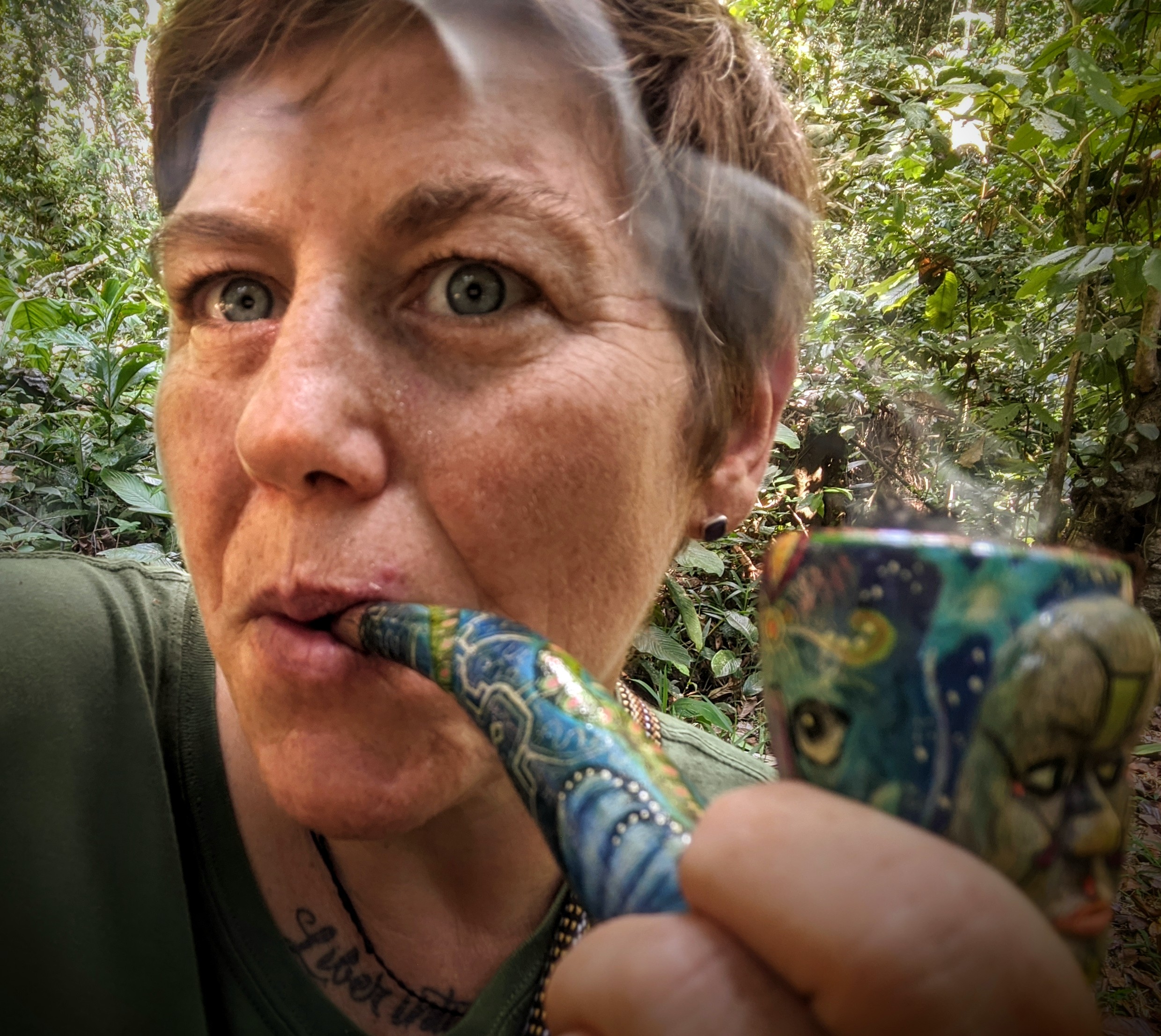

In an age defined by technological advancement and scientific precision, modern healthcare—particularly allopathic medicine—has achieved remarkable success in diagnosing and treating disease. Yet, in its pursuit of measurable outcomes and symptom-specific interventions, it often overlooks a fundamental truth long understood by traditional healing systems: human beings are not merely biological machines, but deeply interconnected physical, emotional, psychological, and spiritual entities.
Traditional plant medicine offers a profoundly different paradigm—one rooted not only in empirical observation but also in a reverence for the intelligence of nature and, for many, the divine wisdom of God expressed through it. Rather than isolating symptoms, it seeks to restore harmony within the whole person. This holistic approach provides not only relief from illness but also a pathway toward deeper emotional balance, self-awareness, and spiritual connection.
Beyond Reductionism: A Holistic Vision of Healing
Unlike the reductionist framework of modern medicine, which often treats the body in parts, traditional healing systems view health as a dynamic state of balance. Emotional and psychological distress, in this perspective, are not isolated disorders but manifestations of deeper imbalances—whether energetic, environmental, or spiritual.
Healing, therefore, is not about suppressing symptoms but restoring flow and harmony. In many traditions, emotional disturbances are understood as disruptions in vital life energy. Plants are selected not only for their chemical properties but for their energetic qualities—cooling, calming, grounding, or uplifting—working in subtle yet profound ways to realign the individual.
Fundamental Benefits to Emotional & Psychological Well-being
Holistic BalancingTraditional plant medicine aims to restore equilibrium within the individual and between the individual and their environment. Emotional challenges are often interpreted as imbalances in internal systems or energy flows. Herbal remedies are used to calm the mind, soothe the spirit, and gently guide the body back into balance.
Stress and Anxiety Reduction
Adaptogenic and calming plants play a central role in managing stress and anxiety. By supporting the body’s stress response and reducing cortisol levels, herbs such as kava, passionflower, lavender, and chamomile help ease emotional tension, reduce burnout, and promote a sense of calm without the harsh side effects often associated with pharmaceutical interventions.
Mood Elevation and Emotional Regulation
Traditional remedies also support emotional stability. Plants like St. John’s wort have long been used to alleviate mild to moderate depression, while saffron and lemon balm show promise in improving mood and reducing emotional tension. Rather than forcing biochemical changes abruptly, these plants tend to work gradually, supporting the body’s natural regulatory systems.
Restoration of Calmness
Certain medicinal plants influence neurotransmitter systems, particularly GABA receptors, which help calm neural activity. Valerian root and chamomile, for example, are widely used to ease anxiety and improve sleep quality, offering a gentle alternative to synthetic sedatives.
Psychological and Emotional Growth Through Traditional Healing
Self-Awareness and Catharsis
Healing in traditional systems often involves more than ingesting remedies—it includes rituals, symbolic acts, and intentional reflection. These practices can help individuals access repressed emotions and unresolved experiences, leading to catharsis and deeper self-understanding.
Strengthening Personal Coping Capacities
Traditional healers frequently serve as guides, offering not just physical remedies but emotional and psychological support. This relationship fosters resilience, helping individuals reinterpret their struggles and develop healthier ways of coping.
Spiritual Connection and TransformationFor many cultures, healing is inseparable from spirituality. Sacred plants used in ceremonial contexts can facilitate altered states of consciousness, offering profound insights, emotional release, and a renewed sense of purpose. These experiences are often described as encounters with a deeper intelligence—what some understand as the wisdom of God expressed through nature itself.
Community and Cultural Identity
Traditional healing rarely occurs in isolation. It is embedded within community practices and cultural traditions, reinforcing a sense of belonging. This social dimension of healing is essential, as emotional well-being is deeply tied to connection and identity.
The Role of Belief: Trusting in Divine Wisdom Through Nature
A key dimension often absent from modern healthcare is the role of belief—not merely as placebo, but as a meaningful engagement with life’s deeper forces. In traditional medicine, plants are not inert substances; they are living expressions of God’s intelligence through nature. For many, this intelligence reflects divine wisdom—God’s presence woven into the fabric of the natural world.
This belief fosters trust, humility, and openness—qualities that themselves can catalyze healing. When individuals see themselves as part of a greater, purposeful system, their relationship to illness shifts. Rather than something to fight against, illness becomes something to understand, integrate, and ultimately transform.
This is not to dismiss the achievements of modern medicine. Acute care, surgery, and emergency interventions have saved countless lives. However, when it comes to chronic illness, emotional suffering, and the search for meaning, a purely scientific approach often falls short.
The future of healthcare may lie not in choosing one system over the other, but in integrating both—combining the precision of science with the wisdom of tradition, and the measurable with the meaningful.
Traditional plant medicine reminds us that healing is not just about eliminating symptoms—it is about becoming whole again. It invites us to listen more deeply: to our bodies, our emotions, our communities, and the living intelligence of God and nature itself.
In returning to these ancient practices, we are not moving backward—we are remembering something essential: that true healing begins when we honor the unity of God, body, mind, spirit, and the natural world that sustains us.


Comments