


Exploring the Efficacy of Ayahuasca and Master Plant Dietas for Healing PTSD
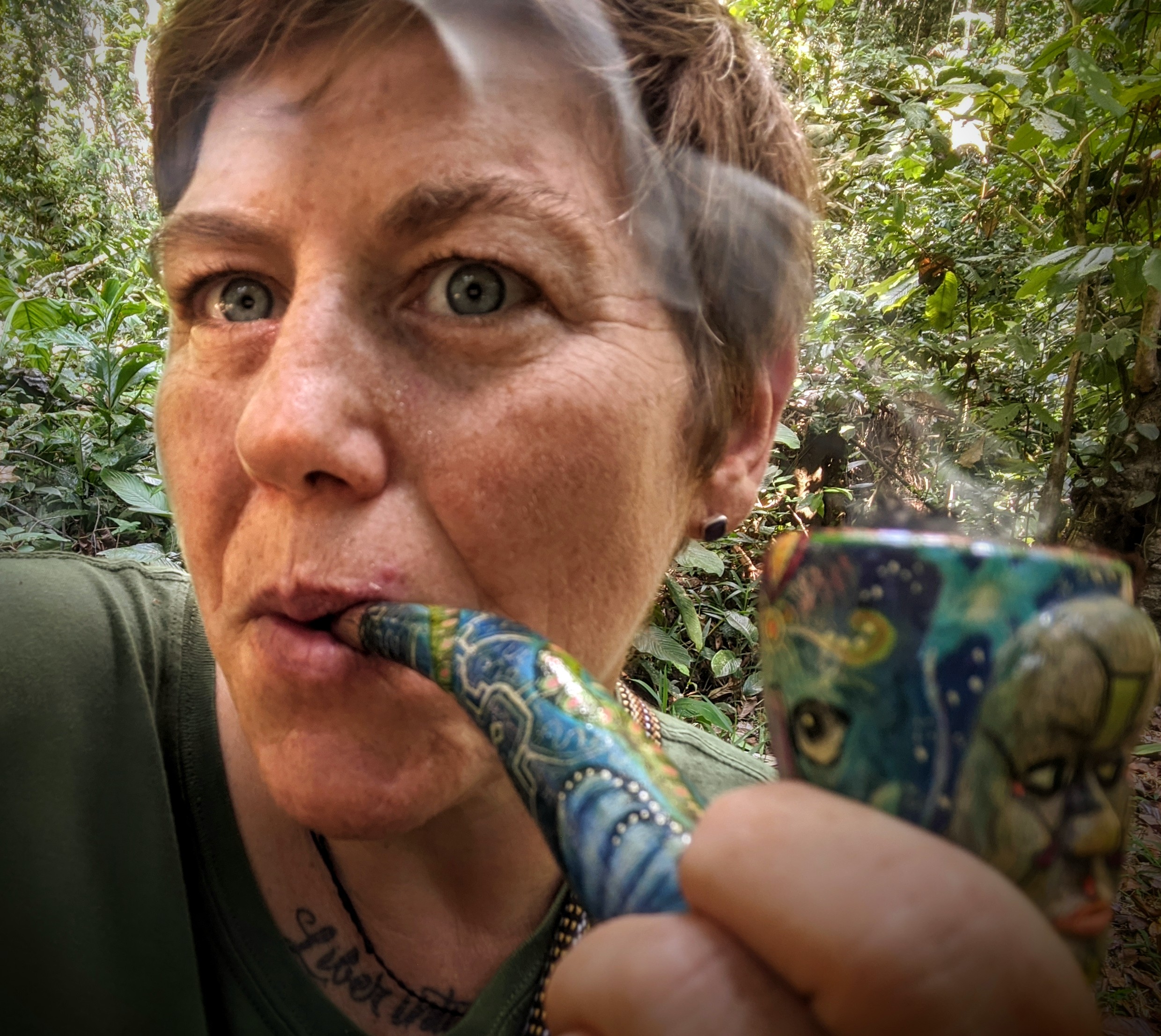
Post-Traumatic Stress Disorder (PTSD) affects millions of individuals worldwide, creating profound challenges that often leave them feeling trapped in debilitating cycles of anxiety, distressing flashbacks, and overwhelming emotional pain. This mental health condition can arise from various traumatic experiences, such as military combat, natural disasters, serious accidents, or personal assaults. The symptoms can be persistent and disruptive, significantly impacting daily life, relationships, and overall well-being. Traditional treatments, including various forms of therapy and medication, have proven to be beneficial for many individuals suffering from PTSD. Cognitive Behavioral Therapy (CBT), Eye Movement Desensitization and Reprocessing (EMDR), and medications such as antidepressants are commonly utilized methods that help alleviate symptoms and provide coping mechanisms. However, despite the effectiveness of these conventional approaches, some individuals find themselves seeking alternative paths for healing, driven by a desire for deeper transformation or dissatisfaction with standard treatments. Among these alternative approaches, Ayahuasca and Master Plant Dietas have gained notable attention and interest for their potential to support profound psychological and emotional recovery. Ayahuasca is a traditional Amazonian brew made from the Banisteriopsis caapi vine and the Psychotria viridis leaf, containing the powerful psychoactive compound DMT. It has been used for centuries by indigenous cultures for spiritual and healing purposes. The experience of consuming Ayahuasca is often described as a profound journey into one's consciousness, allowing individuals to confront and process traumatic memories, emotions, and experiences in a safe and guided environment. Many participants report experiencing intense visions and insights that can lead to significant shifts in perception and emotional release, which are crucial for healing from the deep-seated effects of trauma. Similarly, Master Plant Dietas involve a process of consuming specific plants, often under the guidance of experienced shamans or healers, to facilitate healing and personal growth. These plants, which may include varieties like tobacco, San Pedro cactus, or other medicinal herbs, are believed to possess unique healing properties that can assist individuals in connecting with their inner selves and understanding their trauma on a deeper level. The dietas typically require participants to adhere to strict dietary and behavioral guidelines, fostering a mindset conducive to introspection and spiritual exploration. The synergy of plant medicine and the structured environment created during these dietas can provide a powerful framework for individuals to navigate their emotional landscapes, confront their past, and ultimately foster a sense of renewal. This post delves into how these ancient plant-based practices may aid in the healing process for those suffering from PTSD, drawing on current understanding, anecdotal evidence, and individual experiences. It is essential to approach such treatments with an open mind while also recognizing the importance of thorough research and consideration of individual circumstances. As the field of mental health continues to evolve, integrating traditional practices with modern therapeutic approaches may offer new avenues for recovery, providing hope and healing to those impacted by the lingering effects of trauma.

What Are Ayahuasca and Master Plant Dietas?
Ayahuasca is a powerful psychoactive brew that has been utilized for centuries by various indigenous tribes in the Amazon rainforest, serving both spiritual and therapeutic purposes. This sacred concoction is made by combining two primary botanical ingredients: the Banisteriopsis caapi vine, known for its psychoactive properties, and the Psychotria viridis leaf, which contains the potent hallucinogen DMT (dimethyltryptamine). The preparation of ayahuasca is a ritualistic process that often involves the guidance of a shaman or an experienced practitioner, who plays a crucial role in ensuring that the brew is made correctly and that participants are prepared for the profound experiences that may follow.
The Banisteriopsis caapi vine is rich in harmala alkaloids, which act as monoamine oxidase inhibitors (MAOIs). These compounds are essential as they allow the DMT from the Psychotria viridis to become orally active, enabling the user to experience its effects when consumed. The combination of these two plants creates a unique synergy that facilitates a deep journey into the subconscious mind, often leading to intense visionary experiences characterized by vivid imagery, emotional release, and a sense of connection to the universe.
Many participants report that these experiences can be profoundly transformative, offering insights into personal issues, emotional healing, and a greater understanding of one's place in the world. Some describe encounters with spiritual entities or guides, while others may confront past traumas or unresolved emotional conflicts. The visions experienced during an ayahuasca ceremony can lead to a sense of catharsis and clarity, prompting individuals to make meaningful changes in their lives following the experience.
Additionally, ayahuasca is not only viewed as a tool for spiritual exploration but also as a means of physical and psychological healing. Many individuals seek out ayahuasca ceremonies to address various ailments, including depression, anxiety, addiction, and PTSD. The brew is believed to promote introspection and self-discovery, allowing individuals to confront and process their pain in a supportive environment. This healing aspect has garnered attention in the Western world, leading to an increase in ayahuasca retreats and ceremonies outside of its traditional context.
However, it is important to approach ayahuasca with respect and caution, as the brew can induce powerful psychological effects that may not be suitable for everyone. Proper preparation, both mentally and physically, is crucial, and participants are often advised to follow specific dietary restrictions and engage in mental preparation prior to the ceremony. The experience can be both enlightening and challenging, and having a knowledgeable guide can make a significant difference in navigating the journey.
In summary, ayahuasca represents a profound intersection of culture, spirituality, and healing, deeply rooted in the traditions of the Amazonian tribes. Its complex composition and the intense experiences it induces continue to attract interest from people around the globe, highlighting its significance as a tool for personal transformation and exploration of consciousness.
Master Plant Dietas are a fascinating and intricate category of traditional healing practices that originate from the rich cultural heritage of the Amazon rainforest. These practices are deeply rooted in the indigenous knowledge and spiritual beliefs of the Amazonian tribes, who have long understood the profound connections between humans and the natural world. The essence of a Master Plant Dieta involves the intentional consumption of specific plants over an extended period, typically spanning several days to weeks. This process is conducted under the careful supervision and guidance of a knowledgeable shaman or healer, who plays a crucial role in facilitating the experience and ensuring the safety and well-being of the participant.
The primary aim of these diets is to foster a deep, spiritual connection with the spirits of the plants being consumed. Each plant is believed to possess its own unique spirit or energy, which can impart wisdom, healing, and transformative experiences to those who engage with it. Participants often undergo a period of isolation and reflection, which allows them to immerse themselves fully in the experience, free from the distractions of everyday life. This isolation can take place in a serene natural setting, where the participant can be surrounded by the very essence of the Amazonian environment, enhancing the connection with the plants.
In addition to spiritual connection, Master Plant Dietas are also designed to promote both physical and emotional cleansing. The specific plants chosen for the dieta often possess detoxifying properties that can help the body eliminate toxins and restore balance. This physical cleansing is complemented by emotional and psychological healing, as participants are encouraged to confront and release negative emotions or traumas that may be hindering their personal growth. The process can be intense and challenging, but it is also deeply rewarding, often leading to a sense of renewal and clarity.
Furthermore, the insights gained during a Master Plant Dieta can be profound and life-altering. Many participants report experiencing vivid visions, heightened intuition, and a greater understanding of their life's purpose. These insights can guide individuals in making important life decisions, improving relationships, and fostering a deeper sense of self-awareness. The combination of plant medicine, shamanic guidance, and personal introspection creates a powerful environment for transformation, allowing individuals to unlock their potential and tap into the wisdom of the natural world.
Ultimately, Master Plant Dietas are not merely about the consumption of plants; they are a holistic approach to healing that encompasses the physical, emotional, and spiritual dimensions of an individual’s being. This intricate practice highlights the importance of respecting and honoring the ancient traditions of the Amazonian cultures, while also recognizing the universal quest for healing and understanding that transcends geographical boundaries.
Both practices are deeply rooted in indigenous knowledge systems, which encompass a rich tapestry of cultural traditions, spiritual beliefs, and ecological understandings that have been passed down through generations. These systems are characterized by a profound respect for the land, the community, and the interconnectedness of all living beings.
Respect is a fundamental tenet of these practices, manifesting in various ways. It involves honoring the wisdom of ancestors, acknowledging the contributions of community members, and recognizing the significance of nature in sustaining life. This respect extends to the rituals that are integral to these practices, which often serve to reinforce communal bonds and foster a sense of belonging. Rituals may include ceremonies, storytelling, and seasonal celebrations that not only mark important events but also serve as a means of transmitting knowledge and cultural values to younger generations.
Integration is another key aspect of these practices, highlighting the importance of harmonizing various elements of life—social, spiritual, and environmental. This holistic approach ensures that practices are not viewed in isolation but rather as part of a larger system. For instance, agricultural practices may be intertwined with spiritual beliefs, where certain crops are planted in accordance with celestial events or traditional ecological knowledge. This integration fosters sustainability, as it encourages practices that are ecologically sound and culturally relevant.
Furthermore, the emphasis on ritual within these practices can be seen as a way to connect individuals with their heritage and the natural world. Rituals often involve specific actions, symbols, and communal participation, creating a shared experience that reinforces cultural identity. Such rituals can also serve as a means of healing, both for individuals and the community as a whole, as they provide a space for reflection, gratitude, and renewal.
In summary, both practices are not merely activities but are deeply embedded in the fabric of indigenous knowledge systems. They emphasize respect for the environment and community, the significance of rituals in cultural transmission, and the integration of various life aspects, thereby fostering a holistic worldview that honors the past while guiding future generations.
How PTSD Affects the Mind and Body
Post-Traumatic Stress Disorder (PTSD) is a complex mental health condition that arises after an individual has been exposed to one or more traumatic events. These events can encompass a wide array of experiences, including but not limited to acts of violence, serious accidents, natural disasters, or military combat. The impact of PTSD can be profound, leading to significant disruptions in both psychological and physiological functioning. This disorder fundamentally alters the brain's capacity to effectively process memories and emotions, which can manifest in a variety of distressing symptoms.
Individuals suffering from PTSD often experience a range of symptoms that can severely affect their daily lives. Some of the most common manifestations include:
Intrusive memories and flashbacks: These can occur unexpectedly, causing the individual to relive the traumatic event as if it were happening in the present moment. This vivid recollection can be triggered by certain sounds, sights, or smells that remind the person of the trauma, leading to intense emotional and physical reactions.
Heightened anxiety and hypervigilance: Those with PTSD often find themselves in a constant state of alertness, always on the lookout for potential threats. This hypervigilance can lead to overwhelming feelings of anxiety, making it difficult for individuals to relax or feel safe in their environments.
Emotional numbness or detachment: Many individuals with PTSD report feeling disconnected from their emotions or from others. This emotional numbing can create a barrier that prevents them from experiencing joy or forming meaningful relationships, as they may struggle to engage with their feelings or those of others.
Sleep disturbances and nightmares: Sleep issues are prevalent among those with PTSD. They may experience insomnia, frequent awakenings, or distressing nightmares that replay the traumatic event, further exacerbating feelings of fatigue and anxiety during waking hours.
The symptoms of PTSD arise from alterations in key brain structures that play crucial roles in emotional regulation and memory processing. The amygdala, which is responsible for processing emotions such as fear, often becomes overactive, leading to exaggerated stress responses. Meanwhile, the hippocampus, which is involved in the formation and retrieval of memories, may shrink in size, impairing the individual’s ability to distinguish between past and present experiences. Additionally, the prefrontal cortex, which helps regulate emotions and decision-making, can become less effective, contributing to difficulties in managing stress and emotional responses.
Conventional treatments for PTSD, such as cognitive-behavioral therapy (CBT) and medication, aim to alleviate these distressing symptoms and enhance coping mechanisms. While many individuals find relief through these traditional approaches, others may discover that their symptoms persist or that they experience adverse side effects from medications. This has led to an increasing interest in alternative therapies and holistic approaches, including mindfulness practices, art therapy, and eye movement desensitization and reprocessing (EMDR), which seek to address the underlying issues of PTSD from different angles.
Ultimately, understanding the multifaceted nature of PTSD is crucial for developing effective treatment strategies. The interplay between the mind and body in the context of trauma highlights the need for comprehensive care that considers both psychological and physiological aspects of healing. Awareness and education about PTSD can also empower individuals to seek help and support, fostering a more compassionate environment for those affected by this challenging disorder.
The Healing Potential of Ayahuasca for PTSD
Ayahuasca’s effects on PTSD are complex and still under study. Research and anecdotal reports suggest several ways it may support healing, presenting a multifaceted approach to addressing the deep-seated challenges faced by individuals living with post-traumatic stress disorder. The brew, traditionally made from the Banisteriopsis caapi vine and the Psychotria viridis leaf, contains powerful psychoactive compounds that can induce profound psychological experiences. These experiences can lead to significant therapeutic outcomes for many participants.
Emotional release: Ayahuasca ceremonies often bring suppressed emotions to the surface, allowing participants to confront and process trauma in a safe setting. The ritualistic nature of these ceremonies, often guided by experienced shamans, creates a supportive environment where individuals can feel secure enough to explore their deepest fears and sorrows. This emotional catharsis is crucial, as it can lead to a release of pent-up feelings that may have been locked away for years. By expressing these emotions, participants may find relief from the burden of their past, paving the way for healing and renewal.
New perspectives: The visionary state induced by Ayahuasca can help individuals see their trauma from different angles, fostering understanding and acceptance. Participants often report experiencing vivid imagery and insights that allow them to reframe their traumatic experiences. This shift in perspective can be transformative, as it enables individuals to view their past not just as a source of pain but as part of their personal narrative that contributes to their growth. The ability to integrate these experiences into a broader context can facilitate forgiveness, both of oneself and others, leading to a more profound sense of peace.
Neuroplasticity: Some studies indicate Ayahuasca promotes brain plasticity, potentially helping rewire trauma-related neural pathways. The compound DMT (dimethyltryptamine), a primary active ingredient in Ayahuasca, has been shown to encourage the formation of new neural connections. This is particularly relevant for individuals with PTSD, as traumatic memories can create rigid thought patterns and emotional responses. By enhancing neuroplasticity, Ayahuasca may help individuals break free from these cycles, allowing them to develop healthier coping mechanisms and emotional responses. This biological aspect of healing complements the psychological insights gained during the experience.
Spiritual connection: Many users report a sense of connection to something greater, which can provide comfort and meaning. This spiritual aspect of the Ayahuasca experience often transcends individual trauma, fostering a sense of unity with the universe, nature, or a higher power. For many, this feeling of interconnectedness can alleviate feelings of isolation and despair that often accompany PTSD. The spiritual insights gained during these ceremonies can lead to a renewed sense of purpose and belonging, helping individuals to navigate their recovery journey with hope and resilience.
A 2019 study published in Frontiers in Pharmacology explored the potential therapeutic benefits of Ayahuasca, a traditional Amazonian brew made from the Banisteriopsis caapi vine and other plant ingredients, particularly in the context of treating post-traumatic stress disorder (PTSD) symptoms among a small cohort of veterans. This research found that participants experienced a significant reduction in their PTSD symptoms, with many reporting lasting effects that extended for several months following their experiences with the brew. The study highlighted the profound impact Ayahuasca can have on mental health, suggesting that the brew may facilitate deep psychological insights and emotional release, which are crucial for individuals grappling with trauma.
However, it is important to note that Ayahuasca is not a simple or quick remedy for PTSD or any other mental health condition. The process of using Ayahuasca involves careful preparation, which includes physical and psychological considerations, as well as the necessity of having experienced guidance throughout the journey. This guidance is often provided by a shaman or a trained facilitator who understands the complexities of the brew and the potential psychological effects it can evoke. The setting in which Ayahuasca is consumed is also vital; it is typically done in a ceremonial context that fosters a safe and supportive environment for participants to explore their inner landscapes.
Furthermore, the integration of the Ayahuasca experience into daily life is a crucial aspect of the healing process. After the ceremony, individuals may need support to process their experiences and insights, which can be overwhelming or disorienting. Integration involves discussing these experiences, understanding their implications, and finding ways to apply the insights gained into everyday life. This multi-faceted approach underscores that while Ayahuasca has shown promise in alleviating symptoms of PTSD, it is not a standalone solution but rather part of a broader therapeutic journey that requires commitment, reflection, and support.
What Master Plant Dietas Offer in PTSD Healing
Master Plant Dietas are a profound and transformative aspect of traditional healing practices, particularly when integrated with Ayahuasca ceremonies. These dietas are not merely an adjunct to the ceremonies; they serve as an essential extension of the healing process, allowing participants to engage deeply with the wisdom of the plants over an extended period. This extended interaction is particularly beneficial for individuals dealing with the complex and often debilitating symptoms of Post-Traumatic Stress Disorder (PTSD). The structured approach of a dieta provides a framework for healing that is both holistic and comprehensive.
These diets involve several key components that are designed to optimize the healing experience:
Abstaining from certain foods, substances, and social interactions to heighten sensitivity to the plants. This abstention is crucial as it allows the individual to clear their physical and mental space, creating an environment conducive to deep introspection and connection with the healing properties of the plants. Commonly avoided items may include sugar, salt, alcohol, and even specific social engagements that could disrupt the internal journey.
Consuming specific plants that target physical, emotional, or spiritual imbalances. Each plant used in a dieta is chosen for its unique properties and its ability to address particular aspects of the individual’s trauma. For example, some plants may help to release stored emotional pain, while others might enhance clarity and insight, allowing for a more profound understanding of one’s experiences.
Receiving guidance from experienced healers who interpret the plants’ messages. The role of the healer is pivotal in this process. They provide not only the necessary knowledge about the plants but also support and guidance throughout the dieta. Healers help participants navigate their experiences, ensuring that the insights gained are integrated into their daily lives and contribute to their overall healing journey.
The slow, disciplined nature of dietas fosters a range of personal developments that are particularly beneficial for those suffering from PTSD. This methodical approach encourages individuals to cultivate self-awareness, patience, and resilience—qualities that are often severely tested in the aftermath of trauma. For those engaged in this healing process, the potential benefits can be profound:
Gradual release of trauma-related tension stored in the body. The physical manifestations of trauma can often be held within the body, leading to chronic tension and discomfort. Through the dieta, individuals may experience a gradual unwinding of this tension, allowing for greater physical ease and emotional release.
Strengthened emotional regulation and grounding. As participants engage with the plants and the healing process, they often develop a heightened ability to manage their emotions. This improved emotional regulation can lead to a greater sense of stability and grounding, helping individuals to navigate the challenges of daily life with more confidence and composure.
Deeper understanding of personal trauma patterns. The introspective nature of the dieta encourages individuals to explore their trauma more fully. This exploration can lead to insights that illuminate recurring patterns in their lives, enabling them to break free from cycles of behavior that may perpetuate their suffering.
It is important to note that dietas are highly personalized and require a significant commitment from participants. Each individual’s journey is unique, and the specific plants, dietary restrictions, and practices will vary based on their personal needs and the guidance of their healer. Despite the challenges involved, many find that the transformative potential of the dieta is essential for achieving lasting change and healing. The integration of these practices into their lives often leads to a renewed sense of purpose, connection, and well-being, making the journey worthwhile for those seeking to overcome the burdens of PTSD.
Safety and Considerations
Both Ayahuasca and Master Plant Dietas carry inherent risks and are not suitable for everyone, necessitating a careful approach to their use. It is crucial to understand the complexities and potential dangers associated with these practices. Important points to consider include:
Medical conditions: Individuals with pre-existing medical conditions, particularly those related to cardiovascular health, such as heart problems or hypertension, should exercise extreme caution or completely avoid these practices. Additionally, those suffering from specific mental health disorders, including but not limited to schizophrenia, bipolar disorder, or severe anxiety, may experience exacerbated symptoms or adverse reactions. Furthermore, individuals who are on medications, especially those that affect serotonin levels, such as SSRIs or MAOIs, face significant risks due to potential interactions that could lead to serotonin syndrome, a potentially life-threatening condition. It is essential for anyone considering these experiences to conduct a thorough evaluation of their health status and to seek medical advice from a qualified healthcare professional.
Experienced guidance: The importance of working with trained shamans or experienced facilitators cannot be overstated. These individuals possess the necessary knowledge, skills, and cultural insights to navigate the complexities of Ayahuasca ceremonies and Master Plant Dietas safely. They can provide essential support before, during, and after the experience, ensuring that participants feel secure and understood. A knowledgeable guide can help prepare individuals for what to expect, manage any challenging experiences that may arise, and facilitate a safe environment where participants can explore their consciousness without fear. Their role is pivotal in minimizing risks and enhancing the overall experience, making it imperative to select a reputable and experienced practitioner.
Integration: The process of integration following an Ayahuasca ceremony or a Master Plant Dieta is a vital aspect that should not be overlooked. Post-experience counseling or therapy can significantly aid individuals in processing the insights and revelations gained during their journey. This step is crucial for applying the lessons learned to everyday life, as it helps bridge the gap between the profound experiences encountered during the ceremony and the challenges of daily existence. Integration support can take many forms, including one-on-one therapy, group discussions, or community support networks, each providing a platform for individuals to share their experiences, reflect on their significance, and develop strategies for incorporating newfound understanding into their lives.
Anyone interested in exploring Ayahuasca or Master Plant Dietas should prioritize thorough research and education about the practices, their effects, and the potential risks involved. Consulting with healthcare providers, especially those knowledgeable about psychedelic substances and their effects, is highly advisable. Approaching these practices with the utmost respect and caution is essential, as they are deeply rooted in indigenous traditions and spiritual contexts. Understanding the cultural significance and ethical considerations surrounding these experiences will foster a more profound appreciation and a safer journey into the realms of consciousness exploration.
Real-Life Experiences and Case Examples
The exploration of Ayahuasca and Master Plant Dietas as therapeutic tools for individuals suffering from PTSD is gaining significant attention in both alternative and mainstream mental health circles. Many individuals with PTSD report meaningful changes after participating in these traditional practices, often leading to profound personal transformations. The following examples illustrate the varied and impactful experiences of those who have engaged in these ceremonies:
A veteran of the armed forces, who had long struggled with the haunting memories of combat, shared his transformative experience with Ayahuasca. He recounted how, during a ceremony, he was able to confront his painful memories in a safe and supportive environment. This confrontation allowed him to process feelings that he had buried deep within himself for years. The experience was so profound that he reported a significant reduction in his nightmares and overall anxiety levels. He stated that he now feels a sense of freedom that he had not experienced in a long time, suggesting that Ayahuasca helped him reclaim a part of his life that he thought was lost forever.
A woman who had endured severe childhood trauma found solace and healing through a Master Plant Dieta. This traditional practice, which involves consuming specific plants under the guidance of a shaman, facilitated a deep reconnection with her body and emotions. As she engaged with the plants, she described experiencing a release of pent-up emotions and a newfound ability to articulate her feelings. This process not only enhanced her self-awareness but also led to significant improvements in her relationships with family and friends. She mentioned that for the first time, she felt empowered to set boundaries and communicate her needs effectively, which had a ripple effect on her overall well-being.
A licensed therapist who specializes in trauma recovery shared insights from her professional practice, noting that some of her clients experienced remarkable breakthroughs following their participation in Ayahuasca ceremonies. She observed that these experiences often acted as catalysts for deeper therapeutic work. Clients returned from their ceremonies with new perspectives and insights about their trauma, which allowed them to engage more fully in their healing journey. The therapist emphasized that these experiences underscore the importance of integrating traditional healing methods with contemporary therapeutic practices, offering a more comprehensive approach to trauma recovery.
These compelling stories highlight not only the potential benefits of Ayahuasca and Master Plant Dietas for individuals grappling with PTSD but also underscore the importance of personalized approaches to healing. Each individual's journey is unique, and what works for one person may not necessarily work for another. Therefore, it is essential for practitioners and participants alike to consider the specific needs, backgrounds, and circumstances of each individual when exploring these powerful healing modalities. This tailored approach can enhance the efficacy of treatment and foster a deeper understanding of the complex nature of trauma and recovery.
Integrating Traditional and Modern Healing
In recent years, there has been a growing recognition of the potential benefits of integrating traditional healing practices with modern medical approaches, particularly in the treatment of complex conditions such as Post-Traumatic Stress Disorder (PTSD). One promising avenue of exploration is the combination of Ayahuasca, a powerful plant medicine traditionally used in Amazonian shamanic practices, along with Master Plant Dietas, which involve the ceremonial use of various medicinal plants, with conventional PTSD treatments. This integrative approach may offer a more holistic path to healing, addressing not only the psychological symptoms but also the emotional and spiritual dimensions of trauma.
This multifaceted approach could include several key components:
Utilizing therapy to prepare for and integrate plant medicine experiences: Prior to embarking on a journey with Ayahuasca or other master plants, individuals may benefit from engaging in preparatory therapy. This phase can help clients process their expectations, fears, and intentions, creating a safe mental space for the profound experiences that may arise during the ceremonies. Post-ceremony integration therapy is equally crucial, as it allows individuals to make sense of their experiences, incorporate insights gained, and develop actionable steps toward healing in their daily lives.
Monitoring mental health closely during the process: Given the intensity of experiences associated with Ayahuasca and master plant ceremonies, it is essential to maintain a close watch on mental health throughout the entire process. This could involve regular check-ins with mental health professionals who understand both traditional and modern healing modalities. Such monitoring can help to identify any adverse reactions or emotional challenges that may surface, ensuring that support is available when needed. Additionally, this oversight can help in adjusting treatment plans to better suit individual needs.
Building supportive communities around healing journeys: Healing from trauma can often feel isolating, making it vital to establish a supportive community for those undergoing such transformative experiences. This community can provide a safe space for individuals to share their stories, challenges, and triumphs. Engaging in group therapy sessions, support groups, or community gatherings centered on healing can foster a sense of belonging and shared understanding, which can be incredibly beneficial in the recovery process. These connections can also facilitate the sharing of knowledge and resources, enhancing the overall experience of healing.
As we delve deeper into this integrative approach, it is essential to acknowledge that research is ongoing. The intersection of traditional plant medicines and conventional PTSD treatments is a relatively new field, and more clinical trials are needed to thoroughly understand the underlying mechanisms, potential benefits, and best practices for safe and effective integration. Such research will not only contribute to the scientific understanding of these practices but also help to establish guidelines that can ensure the well-being of individuals seeking healing through this innovative approach.
Ultimately, the goal of integrating traditional and modern healing methods is to provide a comprehensive framework that honors the wisdom of ancient practices while also embracing the advancements of contemporary psychology and medicine. This synergy may pave the way for more effective and compassionate treatment options for those grappling with the lasting effects of trauma.


Comments